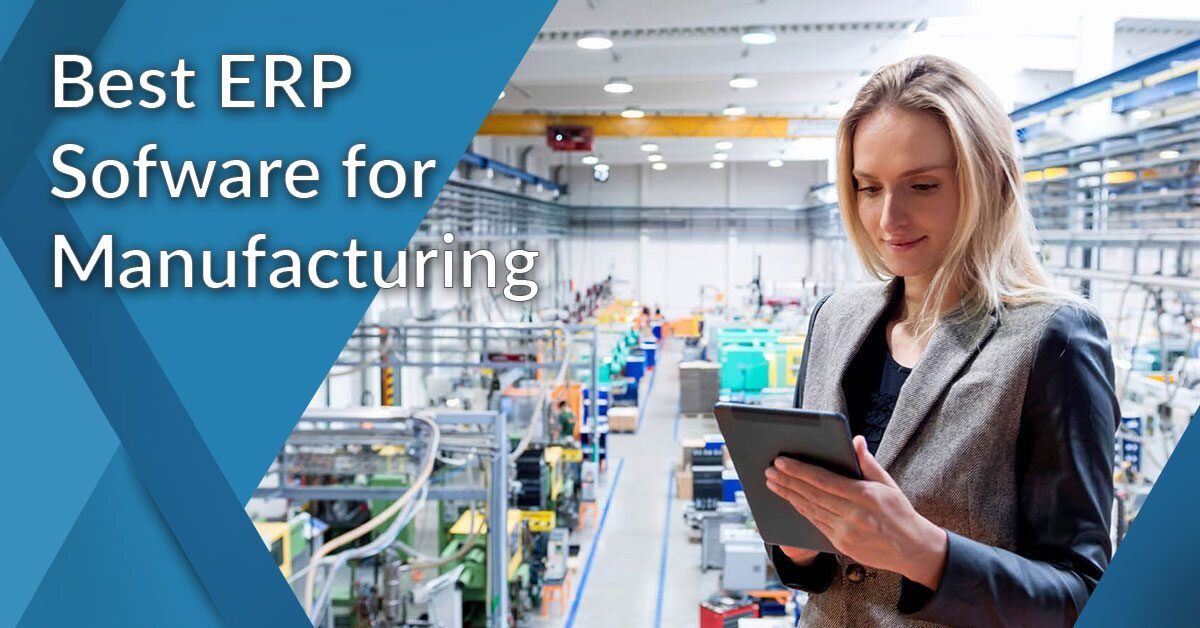
Manufacturing ERP Software for Small Businesses: Streamlining Operations and Boosting Productivity
Welcome, small business owners! Are you looking to take your manufacturing operations to the next level? Look no further than manufacturing ERP software. This powerful tool can streamline your operations, boost productivity, and help you stay ahead of the competition. Say goodbye to manual processes and hello to automation and efficiency. Let’s dive into how manufacturing ERP software can benefit your small business.
Benefits of Manufacturing ERP Software for Small Businesses
Manufacturing ERP software offers a multitude of benefits for small businesses in the manufacturing industry. One of the main advantages is increased efficiency and productivity. By automating tedious tasks such as inventory management, order processing, and production scheduling, ERP software enables small businesses to streamline their operations and focus on more strategic tasks. This ultimately leads to faster turnaround times, reduced lead times, and improved on-time delivery rates.
Another key benefit of manufacturing ERP software for small businesses is improved decision-making. With real-time data and analytics at their fingertips, business owners and managers can quickly assess the performance of their operations and make informed decisions to optimize resources and maximize profits. Whether it’s identifying bottlenecks in the production process, managing inventory levels, or forecasting demand, ERP software provides the tools needed to make data-driven decisions that drive business growth.
Furthermore, manufacturing ERP software helps small businesses enhance their customer service and satisfaction. By centralizing customer information, tracking order status, and managing communication channels, ERP software enables businesses to provide efficient and personalized service to their customers. This not only builds trust and loyalty but also helps in attracting new customers and retaining existing ones, ultimately leading to increased revenue and profitability.
In addition, manufacturing ERP software can help small businesses reduce costs and improve profitability. By optimizing operations, eliminating waste, and streamlining processes, ERP software enables businesses to operate more efficiently and cost-effectively. This can lead to lower operating expenses, higher profit margins, and overall improved financial performance. Moreover, by providing insights into key performance indicators and financial metrics, ERP software empowers small businesses to make informed decisions that drive profitability and sustainable growth.
Lastly, manufacturing ERP software enables small businesses to stay competitive in a rapidly evolving market. With features such as automation, integration, and scalability, ERP software equips businesses with the tools needed to adapt to changing market conditions, customer demands, and industry trends. This enables small businesses to remain agile, responsive, and innovative, positioning them for long-term success and growth in the competitive manufacturing landscape.
Choosing the Right Manufacturing ERP Software for Your Small Business
When it comes to selecting the right manufacturing ERP software for your small business, there are some key factors to consider. One of the most important things to look for is a software that is specifically designed to meet the needs of small manufacturers. This means that the software should be easy to use, affordable, and scalable to grow with your business. Additionally, it should offer features such as inventory management, production scheduling, and quality control to help streamline your operations.
Another important consideration when choosing ERP software for your small business is the level of integration it offers. You will want a system that can easily integrate with your existing tools and systems, such as accounting software, CRM systems, and e-commerce platforms. This will help ensure that all of your data is synced across your organization, making it easier to track and manage your operations.
It is also important to consider the level of customization that the ERP software offers. Every small manufacturing business is unique, with its own set of processes and requirements. Look for a software that can be customized to meet your specific needs, whether that be creating custom reports, workflows, or dashboards. This will help ensure that the software fits seamlessly into your existing operations and helps you work more efficiently.
Additionally, make sure to consider the level of support and training that the ERP software provider offers. As a small business, you may not have dedicated IT staff to help manage the software, so it is important to choose a provider that offers comprehensive support and training options. Look for providers that offer online tutorials, 24/7 customer support, and regular software updates to help you make the most of your investment.
Finally, don’t forget to consider the cost of the ERP software. As a small business, budget constraints are always a concern, so it is important to choose a software that fits within your financial limitations. Look for software that offers flexible pricing options, such as monthly subscriptions or pay-as-you-go plans, to help you manage your cash flow and avoid any large upfront costs.
In conclusion, choosing the right manufacturing ERP software for your small business is a crucial decision that will impact your operations for years to come. By considering factors such as scalability, integration, customization, support, and cost, you can find a software that meets your needs and helps your business thrive.
Implementing Manufacturing ERP Software in a Small Business Setting
Implementing manufacturing ERP software in a small business setting can be a game-changer for efficiency and productivity. However, the process of implementing this type of software can be daunting for small businesses that may not have the resources or expertise of larger corporations. Here are some key steps to successfully implement manufacturing ERP software in a small business setting:
1. Assessing Your Needs: Before selecting and implementing manufacturing ERP software, it’s crucial to assess your business needs and goals. Consider what features and functionalities are essential for your business operations, such as inventory management, production planning, or supply chain management. Identify any pain points in your current processes that can be addressed by ERP software.
2. Researching Options: There are many ERP software providers in the market, each offering different features and pricing plans. Take the time to research and compare different options to find the best fit for your small business. Consider factors such as scalability, ease of use, customer support, and cost when evaluating ERP software providers.
3. Planning and Preparation: Before implementing manufacturing ERP software, it’s essential to have a solid plan in place. This includes identifying key stakeholders within your organization, setting clear goals and objectives for the implementation process, and creating a timeline for deployment. Small businesses should also allocate resources for training and support to ensure a smooth transition to the new software.
4. Customization and Configuration: Since every small business is unique, it’s essential to customize and configure the manufacturing ERP software to fit your specific needs. Work closely with the software provider to tailor the system to your business processes and workflows. This may involve setting up workflows, integrating data from existing systems, and training employees on how to use the software effectively.
5. Testing and Training: Before fully implementing manufacturing ERP software, it’s important to conduct thorough testing to ensure that the system works as intended. This may involve running simulations, conducting user acceptance testing, and identifying any bugs or issues that need to be addressed. Additionally, provide comprehensive training to employees to ensure they are comfortable using the new software and understand how it can improve their workflows.
6. Continuous Improvement: Implementing manufacturing ERP software is not a one-time process; it requires ongoing maintenance and optimization to ensure its effectiveness. Regularly review and analyze data from the ERP system to identify areas for improvement and make necessary adjustments. Stay informed about updates and new features from the software provider to take full advantage of the capabilities of the system.
By following these steps, small businesses can successfully implement manufacturing ERP software and streamline their operations for improved efficiency and competitiveness in the market.
Key Features to Look for in Manufacturing ERP Software for Small Businesses
When choosing manufacturing ERP software for a small business, there are certain key features that can make a significant difference in the efficiency and effectiveness of your operations. Here are some important features to look for:
1. **Scalability**: One of the most important factors to consider when selecting an ERP software is scalability. As your small business grows, you will need a system that can grow with you. Make sure the software you choose can easily accommodate additional users, data, and functionalities as your business expands.
2. **Integration**: A good manufacturing ERP software should integrate seamlessly with other systems and software applications that are essential to your business processes. This includes accounting software, inventory management systems, CRM software, and more. Integration helps to streamline operations and improve the overall efficiency of your business.
3. **Real-time Data Analysis**: Having access to real-time data is crucial for making informed decisions in a fast-paced manufacturing environment. Look for ERP software that provides real-time analytics and reporting capabilities, allowing you to monitor key performance indicators, track production progress, and identify areas for improvement.
4. **Customization Options**: Every manufacturing business has unique processes and requirements. Therefore, it is important to choose ERP software that offers customizable features. This will allow you to tailor the system to meet the specific needs of your business, rather than forcing you to adapt your processes to fit the software. Customization options can include the ability to add or modify fields, design custom reports, and automate workflows.
5. **Mobile Accessibility**: In today’s digital age, being able to access business data on the go is essential. Look for ERP software that offers mobile accessibility, allowing you to monitor operations, track inventory, and make decisions from anywhere at any time. This feature can greatly improve efficiency and productivity, especially for small businesses with limited resources.
6. **User-friendly Interface**: User adoption is key to the success of any ERP implementation. Choose software with an intuitive and user-friendly interface that is easy for your employees to learn and use. Training time and costs can be greatly reduced with a system that is simple and straightforward to navigate.
7. **Inventory Management**: Effective inventory management is critical for manufacturing businesses to ensure smooth production processes and meet customer demands. Look for ERP software that offers robust inventory management features, such as real-time tracking, forecasting, reorder automation, and multi-location support.
8. **Quality Control**: Maintaining high-quality standards is essential in manufacturing to prevent defects, ensure product consistency, and uphold customer satisfaction. Choose ERP software with built-in quality control features, such as inspection checklists, defect tracking, and quality assurance protocols, to help you maintain and improve product quality.
In conclusion, selecting the right manufacturing ERP software for your small business is a crucial decision that can have a significant impact on your operations and bottom line. By considering these key features during your evaluation process, you can choose a system that is tailored to your business needs and sets you up for long-term success.
Case Studies of Small Businesses Successfully Using Manufacturing ERP Software
Manufacturing ERP software is a powerful tool that can help small businesses streamline their operations, improve efficiency, and boost productivity. Here are some case studies of small businesses that have successfully implemented manufacturing ERP software:
1. ABC Manufacturing Company: ABC Manufacturing Company is a small family-owned business that specializes in producing custom metal parts for various industries. They were struggling to keep track of inventory, manage orders, and track production schedules using manual methods. After implementing manufacturing ERP software, they saw a significant improvement in their operations. The software helped them automate their processes, reduce errors, and improve communication between departments. As a result, they were able to increase their production capacity and improve on-time delivery rates.
2. XYZ Electronics: XYZ Electronics is a small business that designs and manufactures electronic components for the automotive industry. They were facing challenges with managing their supply chain, tracking orders, and forecasting demand. By implementing manufacturing ERP software, they were able to gain better visibility into their operations, optimize inventory levels, and streamline their production processes. This resulted in cost savings, improved lead times, and increased customer satisfaction.
3. LMN Furniture: LMN Furniture is a small furniture manufacturer that was struggling to keep up with increasing demand and maintain quality standards. They implemented manufacturing ERP software to help them manage their complex production processes, track raw materials, and monitor work-in-progress. The software enabled them to identify bottlenecks, optimize production schedules, and improve product quality. As a result, they were able to increase their production output and expand their customer base.
4. PQR Plastics: PQR Plastics is a small plastic injection molding company that was looking to improve efficiency and reduce waste in their manufacturing processes. After implementing manufacturing ERP software, they were able to automate scheduling, optimize resource utilization, and track production costs more effectively. The software also helped them implement quality control measures and ensure compliance with industry regulations. This led to improved product quality, reduced lead times, and increased profitability for the company.
5. STU Textiles: STU Textiles is a small textile manufacturer that wanted to improve their production planning and inventory management. They implemented manufacturing ERP software to help them optimize their production schedules, track raw materials, and streamline their supply chain. The software provided real-time visibility into their operations, enabled better decision-making, and improved collaboration between departments. As a result, they were able to reduce stockouts, minimize waste, and increase overall efficiency in their manufacturing processes.
These case studies highlight the benefits of using manufacturing ERP software for small businesses. By implementing the right software solution, small manufacturers can improve their operations, reduce costs, and stay competitive in today’s fast-paced market.