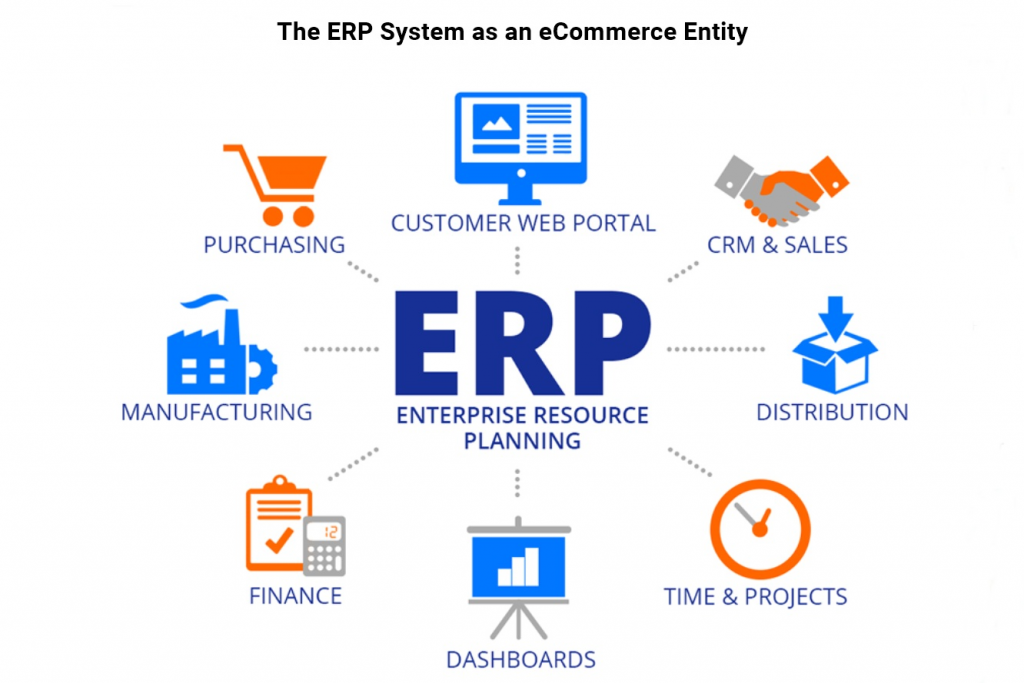
Welcome to our discussion on the role of Enterprise Resource Planning (ERP) systems in enhancing ecommerce operations. In the fast-paced world of online retail, businesses are constantly looking for ways to streamline processes, improve efficiency, and ultimately, boost sales. By integrating ERP systems into their ecommerce platforms, companies can effectively manage various aspects of their operations such as inventory management, order processing, customer relationship management, and financial tracking. This integration allows businesses to operate more cohesively and provide a seamless shopping experience for their customers.
Integrating Ecommerce with ERP Systems
Integrating ecommerce with ERP systems is crucial for businesses looking to streamline their operations and enhance their overall efficiency. By connecting these two essential components of a company’s technology stack, organizations can achieve greater visibility into their sales, inventory, customer data, and financial information.
One key benefit of integrating ecommerce with ERP systems is the ability to automate data entry and eliminate manual tasks. For example, when a customer places an order on the ecommerce platform, the ERP system can automatically update inventory levels, generate invoices, and update financial records. This automation saves time and reduces the risk of error, allowing employees to focus on more strategic tasks.
Another advantage of integrating ecommerce with ERP systems is the ability to provide a seamless customer experience. When a customer places an order online, they expect real-time updates on the status of their order and access to their order history. By integrating ecommerce with ERP systems, businesses can ensure that customers have access to up-to-date information at all times, leading to increased satisfaction and loyalty.
Furthermore, integrating ecommerce with ERP systems can help businesses make better decisions by providing a comprehensive view of their operations. By consolidating data from both systems, companies can analyze trends, identify opportunities for growth, and optimize their processes. For example, tracking sales data from the ecommerce platform alongside inventory levels from the ERP system can help businesses identify popular products and adjust their production accordingly.
Additionally, integrating ecommerce with ERP systems can improve communication and collaboration across departments. When data is seamlessly shared between the two systems, employees can work more efficiently and make decisions based on accurate, real-time information. For example, the sales team can see inventory levels in real-time and adjust their strategies accordingly, while the finance team can generate reports based on up-to-date sales data.
In conclusion, integrating ecommerce with ERP systems is essential for businesses looking to optimize their operations, improve customer satisfaction, and make data-driven decisions. By connecting these two vital systems, companies can automate tasks, provide a seamless customer experience, gain insights into their operations, and improve communication across departments. Overall, integrating ecommerce with ERP systems can help businesses stay competitive in today’s fast-paced digital economy.
Streamlining Inventory Management Processes
Inventory management is a critical aspect of any ecommerce business. Managing inventory effectively can result in improved customer satisfaction, reduced holding costs, and increased operational efficiency. With the integration of an Enterprise Resource Planning (ERP) system, businesses can streamline their inventory management processes even further.
One way an ERP system can help streamline inventory management processes is by providing real-time visibility into inventory levels. By having access to accurate and up-to-date inventory data, businesses can make more informed decisions about ordering, stocking levels, and fulfillment. This can help prevent stockouts, reduce excess inventory, and improve overall inventory turnover rates.
Additionally, an ERP system can automate many inventory management tasks, such as reordering, replenishment, and tracking. This can free up valuable time for employees to focus on more strategic tasks, rather than manual data entry and calculations. Automation can also help reduce human errors and ensure more accurate inventory records.
Furthermore, an ERP system can help businesses optimize their inventory levels by providing insights into demand patterns, seasonality, and sales trends. By analyzing this data, businesses can better forecast demand, plan inventory levels accordingly, and avoid overstocking or understocking items. This can lead to improved customer satisfaction, as products are more readily available when customers want them.
Another benefit of integrating an ERP system with ecommerce operations is the ability to track and manage inventory across multiple sales channels. With omnichannel selling becoming increasingly popular, businesses need a centralized system to keep track of inventory levels across all channels. An ERP system can provide a single source of truth for inventory data, ensuring that all sales channels have accurate information and preventing overselling or underselling of products.
Furthermore, by integrating ERP with ecommerce platforms, businesses can also streamline order fulfillment processes. An ERP system can automatically generate picking lists, packing slips, and shipping labels, reducing the need for manual data entry and streamlining the order fulfillment process. This can help businesses fulfill orders faster, reduce order processing times, and improve overall customer satisfaction.
In conclusion, integrating an ERP system with ecommerce operations can provide numerous benefits for streamlining inventory management processes. From real-time visibility into inventory levels to automation of tasks and optimization of inventory levels, an ERP system can help businesses improve operational efficiency, reduce costs, and enhance customer satisfaction. By leveraging the power of ERP, businesses can take their inventory management processes to the next level and stay ahead of the competition in today’s fast-paced ecommerce environment.
Enhancing Customer Experience through ERP Integration
When it comes to running a successful eCommerce business, providing a seamless and personalized customer experience is key. One way to achieve this is through the integration of ERP (Enterprise Resource Planning) systems. ERP systems are software solutions that help businesses manage and streamline their operations, from inventory management to order processing and customer relationship management. By integrating ERP into your eCommerce platform, you can improve the overall customer experience in a number of ways.
One of the primary ways that ERP integration can enhance the customer experience is by providing real-time access to inventory levels. This means that customers can see exactly what products are in stock, which helps to prevent situations where a customer places an order only to find out later that the item is out of stock. By providing accurate and up-to-date information on product availability, you can increase customer satisfaction and avoid the frustration that comes with backorders and delayed shipments.
In addition to real-time inventory visibility, ERP integration can also help to streamline the order fulfillment process. By automating tasks such as order processing, invoicing, and shipping, you can ensure that orders are processed quickly and accurately. This leads to faster delivery times and better communication with customers, ultimately improving their overall shopping experience. When customers receive their orders promptly and accurately, they are more likely to return to your eCommerce store in the future.
Moreover, ERP integration can also help to personalize the customer experience. By capturing and analyzing data on customer preferences, purchase history, and behavior, you can tailor your marketing efforts and product recommendations to better meet the needs and interests of individual customers. For example, if a customer has purchased a particular type of product in the past, you can use this information to suggest related products or offer personalized promotions. By delivering relevant and targeted content to customers, you can create a more engaging and personalized shopping experience that builds customer loyalty and increases repeat business.
Overall, integrating ERP systems into your eCommerce platform can greatly enhance the customer experience by providing real-time inventory visibility, streamlining order fulfillment processes, and personalizing the shopping experience. By leveraging the power of ERP software, you can create a more efficient and customer-centric eCommerce operation that drives customer satisfaction and loyalty. So, if you want to take your eCommerce business to the next level, consider integrating ERP systems to enhance the overall customer experience.
Leveraging Data Analytics for Ecommerce Success
When it comes to running a successful ecommerce business, data analytics play a crucial role in driving growth and increasing profitability. By leveraging data analytics effectively, online retailers can gain valuable insights into customer behavior, market trends, and product performance, allowing them to make informed decisions that drive business success.
One key aspect of leveraging data analytics for ecommerce success is understanding and analyzing customer behavior. By tracking and analyzing data such as website visits, page views, time spent on site, and shopping cart abandonment rates, ecommerce businesses can gain insights into customer preferences, interests, and purchasing habits. This information can be used to tailor marketing campaigns, personalize product recommendations, and improve the overall customer experience, ultimately leading to increased sales and customer loyalty.
In addition to understanding customer behavior, data analytics can also be used to identify market trends and opportunities. By analyzing data on website traffic, sales performance, and social media engagement, ecommerce businesses can pinpoint emerging trends, identify areas of growth, and make strategic decisions regarding product offerings and marketing strategies. This can help businesses stay ahead of the competition, capitalize on new opportunities, and maintain a competitive edge in the rapidly evolving ecommerce landscape.
Furthermore, data analytics can be used to track and measure the performance of individual products and product categories. By analyzing data on sales volumes, customer reviews, and return rates, ecommerce businesses can identify top-performing products, identify underperforming products, and make data-driven decisions regarding pricing, promotions, and inventory management. This can help businesses optimize their product offerings, improve profitability, and drive growth in key product categories.
Moreover, data analytics can also be used to optimize marketing campaigns and advertising strategies. By analyzing data on customer demographics, purchasing behavior, and campaign performance, ecommerce businesses can fine-tune their marketing efforts, target specific customer segments, and maximize the return on investment for their marketing spend. This can help businesses improve the effectiveness of their marketing campaigns, reduce costs, and drive higher conversion rates, ultimately leading to increased revenue and profitability.
In conclusion, leveraging data analytics is essential for ecommerce businesses looking to achieve success in today’s competitive online marketplace. By understanding and analyzing customer behavior, identifying market trends, tracking product performance, and optimizing marketing campaigns, ecommerce businesses can gain valuable insights that drive growth, increase profitability, and maintain a competitive edge. By making data-driven decisions and harnessing the power of data analytics, online retailers can unlock new opportunities, improve the customer experience, and drive success in the dynamic world of ecommerce.
Improving Order Fulfillment Efficiency with ERP Integration
Order fulfillment is a crucial aspect of any e-commerce business. It involves receiving, processing, and delivering orders to customers in a timely and efficient manner. In today’s fast-paced market, customers expect quick delivery times and seamless order processing. This is where ERP integration can play a significant role in improving order fulfillment efficiency.
ERP (Enterprise Resource Planning) software is a powerful tool that integrates various business processes, such as inventory management, customer relationship management, and accounting, into a single system. By integrating ERP with your e-commerce platform, you can streamline order fulfillment processes and improve overall efficiency.
One of the key benefits of ERP integration in order fulfillment is improved inventory management. With real-time data synchronization between your e-commerce platform and ERP system, you can accurately track inventory levels, monitor product availability, and prevent stockouts. This ensures that you always have the right products in stock to fulfill customer orders promptly.
Another advantage of ERP integration is enhanced order processing. By automating order entry, processing, and fulfillment workflows, you can significantly reduce manual errors and processing times. This results in faster order processing and improved accuracy, which leads to higher customer satisfaction and repeat business.
Furthermore, ERP integration allows you to streamline logistics and shipping processes. By integrating your ERP system with shipping carriers and logistics providers, you can automate shipping label generation, track shipments in real-time, and provide customers with accurate shipping estimates. This not only improves order fulfillment efficiency but also enhances the overall customer experience.
In addition to improving internal processes, ERP integration can also help you better communicate with customers. By integrating your ERP system with customer relationship management (CRM) tools, you can personalize communication, provide order status updates, and offer proactive customer support. This reinforces customer loyalty and encourages repeat purchases.
Overall, integrating ERP with your e-commerce platform is essential for improving order fulfillment efficiency. From streamlining inventory management to enhancing order processing and logistics, ERP integration offers a wide range of benefits that can help you meet customer expectations and grow your business. By investing in ERP integration, you can stay ahead of the competition and deliver exceptional service to your customers.