Hey there! Are you a small manufacturing business looking to improve efficiency and streamline operations? Implementing an ERP (Enterprise Resource Planning) system could be the solution you are searching for. These systems are designed to integrate all aspects of your business, from production planning to inventory management, into one centralized platform, making it easier to track and manage your processes. By utilizing an ERP system, you can enhance productivity, reduce costs, and ultimately grow your business. Let’s delve into how these systems can benefit your small manufacturing business!
Overview of ERP Systems for Small Manufacturing Businesses
ERP (Enterprise Resource Planning) systems are software solutions that integrate and automate various business processes within an organization. For small manufacturing businesses, implementing an ERP system can bring numerous benefits in terms of efficiency, productivity, and overall business performance. These systems are designed to streamline operations, improve communication, and provide real-time insight into the business’s operations.
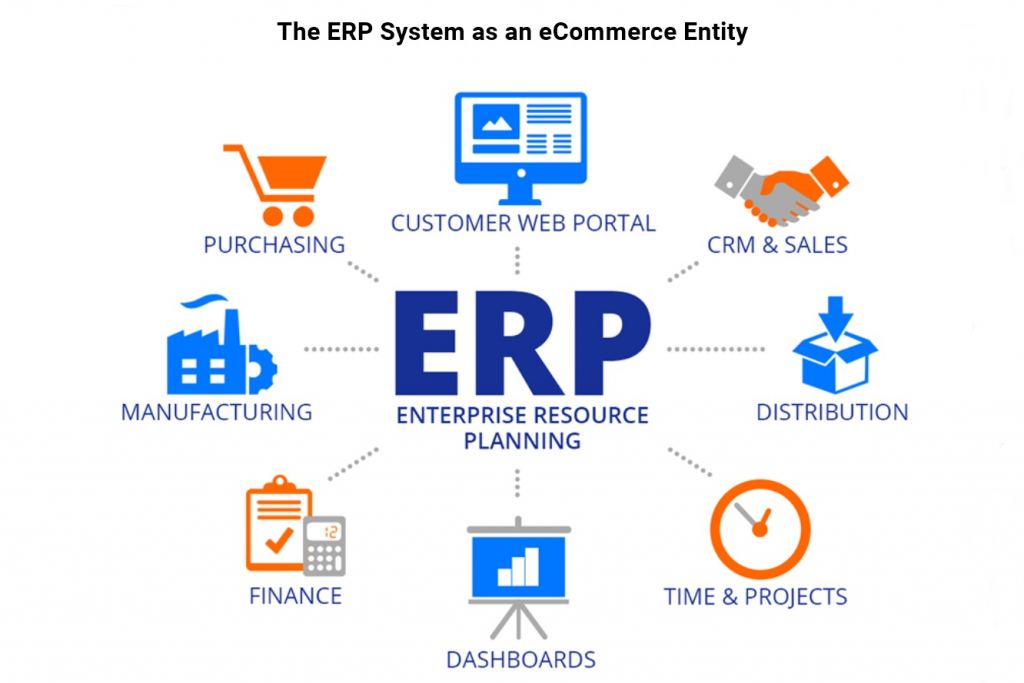
One of the key features of ERP systems is their ability to centralize data from different departments such as finance, inventory, production, sales, and human resources into a single database. This enables a small manufacturing business to have a comprehensive view of its operations and make data-driven decisions. With accurate and up-to-date information readily available, managers can track orders, monitor inventory levels, analyze production costs, and forecast future demand more effectively.
Furthermore, ERP systems offer tools for managing resources efficiently, such as scheduling production tasks, allocating materials, and tracking work orders. By automating these processes, small manufacturing businesses can minimize errors, reduce lead times, and optimize their production cycles. This leads to cost savings, improved quality control, and enhanced customer satisfaction.
In addition to operational benefits, ERP systems also promote collaboration and communication among employees. With features like messaging, task assignments, and document sharing, team members can work more efficiently together, leading to increased productivity and a faster response to customer inquiries or issues. Furthermore, by having a centralized system, employees can access information from anywhere, whether they are in the office, on the shop floor, or working remotely.
Another advantage of ERP systems for small manufacturing businesses is their scalability. As a business grows and expands its operations, an ERP system can easily accommodate increased data volume, additional users, and more complex processes. This allows a small manufacturing business to adapt to changing market conditions, regulations, and customer demands without having to invest in new software or infrastructure.
Overall, ERP systems are essential tools for small manufacturing businesses looking to streamline their operations, improve efficiency, and stay competitive in today’s market. By providing a centralized platform for managing resources, automating processes, and facilitating collaboration, ERP systems enable small manufacturing businesses to focus on what they do best – delivering high-quality products to customers.
Benefits of Implementing ERP in Small Manufacturing Businesses
Implementing an ERP system in a small manufacturing business can bring numerous advantages and improvements to the overall operations of the company. Let’s take a closer look at some of the key benefits:
1. Increased Efficiency: ERP systems streamline processes and eliminate manual tasks, leading to increased efficiency in production, inventory management, and customer service. By integrating different departments and functions into one system, employees can access real-time data, make informed decisions, and work more effectively towards common goals.
2. Enhanced Decision-Making: With ERP software, small manufacturing businesses can make better decisions based on accurate and up-to-date information. The system provides real-time insights into key performance indicators, such as production rates, inventory levels, and sales forecasts. This data allows managers to assess current performance, identify areas for improvement, and implement strategies to drive growth and profitability.
3. Cost Savings: Implementing an ERP system can lead to cost savings in various areas of the business. By automating processes and eliminating redundant tasks, companies can reduce operational expenses and improve resource allocation. Additionally, better inventory management through ERP can minimize stock levels, reduce holding costs, and prevent stockouts or overstock situations.
4. Improved Customer Satisfaction: ERP systems enable small manufacturing businesses to provide better customer service by streamlining order processing, tracking shipments, and managing customer inquiries more efficiently. With access to comprehensive customer information, companies can personalize interactions, anticipate customer needs, and deliver products on time, ultimately leading to higher customer satisfaction and loyalty.
5. Scalability and Flexibility: As small manufacturing businesses grow and expand, ERP systems can easily scale to accommodate increased production volumes, additional product lines, and new business opportunities. The flexibility of ERP software allows companies to adapt to changing market conditions, regulatory requirements, and customer demands without disrupting operations or compromising efficiency.
6. Compliance and Risk Management: ERP systems help small manufacturing businesses comply with industry regulations and standards by maintaining accurate records, tracking processes, and ensuring data security. By centralizing data and creating audit trails, companies can mitigate risks, prevent errors, and respond effectively to compliance issues, safeguarding their reputation and avoiding costly penalties.
7. Competitive Advantage: By implementing an ERP system, small manufacturing businesses can gain a competitive edge in the market by improving productivity, reducing lead times, and delivering high-quality products consistently. With better visibility into all aspects of the business, companies can identify opportunities for innovation, adapt quickly to market trends, and differentiate themselves from competitors, ultimately driving growth and profitability.
Overall, implementing an ERP system in a small manufacturing business can revolutionize operations, enhance decision-making, and drive significant improvements in efficiency, cost savings, customer satisfaction, scalability, compliance, and competitiveness. With the right ERP solution tailored to their specific needs, companies can unlock their full potential and achieve sustainable success in today’s competitive business landscape.
Key Features to Look for in an ERP System for Small Manufacturing Businesses
When it comes to selecting an ERP system for a small manufacturing business, there are several key features that business owners should prioritize. These features can help streamline operations, improve efficiency, and ultimately drive growth. Here are some key features to look for in an ERP system for small manufacturing businesses:
1. Inventory Management: One of the most important features of an ERP system for small manufacturing businesses is robust inventory management capabilities. An effective ERP system should provide real-time visibility into inventory levels, track stock movements, and help optimize inventory levels to minimize stockouts and excess inventory. This can help businesses reduce carrying costs, improve order fulfilment, and enhance customer satisfaction.
2. Production Planning and Scheduling: A good ERP system for small manufacturing businesses should also offer production planning and scheduling tools. These tools can help businesses plan production activities, allocate resources efficiently, and schedule production orders to meet customer demand. By automating production planning and scheduling processes, businesses can improve on-time delivery, reduce lead times, and increase production efficiency.
3. Quality Management: Quality management is a critical aspect of manufacturing operations, and an ERP system that includes robust quality management features can help small businesses ensure that their products meet quality standards and regulatory requirements. A good quality management module should allow businesses to track and manage quality inspections, conduct root cause analysis of defects, and implement corrective actions to prevent quality issues from recurring. By implementing a quality management system within their ERP system, small manufacturing businesses can reduce the risk of defects, improve product quality, and enhance customer satisfaction.
4. Supply Chain Management: Another important feature to look for in an ERP system for small manufacturing businesses is robust supply chain management capabilities. An effective ERP system should integrate with suppliers, distributors, and other partners to streamline procurement processes, track shipments, and optimize supply chain performance. By improving visibility and collaboration across the supply chain, businesses can reduce lead times, minimize stockouts, and improve overall supply chain efficiency.
5. Reporting and Analytics: Finally, an ERP system for small manufacturing businesses should include comprehensive reporting and analytics capabilities. These features can help businesses track key performance indicators, monitor production efficiency, and identify areas for improvement. By providing actionable insights and real-time data, reporting and analytics tools can help businesses make informed decisions, optimize operations, and drive continuous improvement.
Choosing the right ERP system for a small manufacturing business can be a daunting task, but by focusing on key features like inventory management, production planning, quality management, supply chain management, and reporting and analytics, businesses can select a system that meets their unique needs and sets them up for success.
Case Studies of Small Manufacturing Businesses Successfully Utilizing ERP Systems
Implementing an ERP system can significantly streamline operations and improve productivity for small manufacturing businesses. Here are some case studies of companies that have successfully implemented ERP systems:
Case Study 1: XYZ Manufacturing Company
XYZ Manufacturing Company, a small family-owned business specializing in custom metal fabrication, was struggling to track inventory, manage orders, and maintain accurate financial records. They decided to invest in an ERP system to centralize their data and automate key processes. After implementing the ERP system, they saw a dramatic improvement in efficiency and accuracy. They were able to reduce inventory costs, improve order fulfillment times, and make more informed business decisions based on real-time data.
Case Study 2: ABC Electronics
ABC Electronics, a small electronics manufacturing company, was experiencing challenges with inventory control, production scheduling, and order tracking. They implemented an ERP system to streamline their operations and improve visibility across the organization. With the ERP system in place, ABC Electronics was able to optimize inventory levels, reduce lead times, and enhance customer satisfaction. They also saw a significant increase in overall productivity and profitability.
Case Study 3: LMN Furniture Co.
LMN Furniture Co. is a small furniture manufacturing company that was struggling with manual processes, duplicate data entry, and disjointed communication between departments. They decided to invest in an ERP system to integrate their operations and improve collaboration. With the ERP system, LMN Furniture Co. was able to automate repetitive tasks, gain better insights into production processes, and streamline their supply chain management. As a result, they experienced a significant reduction in errors, improved production efficiency, and increased customer satisfaction.
Case Study 4: PQR Industries
PQR Industries, a small industrial manufacturing company, was facing challenges with inventory management, production planning, and quality control. They realized the need for an ERP system to help them address these issues and improve overall operational efficiency. After implementing the ERP system, PQR Industries saw a significant improvement in inventory accuracy, better production scheduling, and enhanced quality assurance processes. They were able to track materials in real-time, optimize production workflows, and ensure product conformity to quality standards. This led to increased customer satisfaction, reduced costs, and improved competitiveness in the market.
These case studies demonstrate the significant benefits that small manufacturing businesses can achieve by implementing an ERP system. From streamlining operations to improving decision-making and enhancing customer satisfaction, an ERP system can be a game-changer for small manufacturers looking to stay competitive in today’s fast-paced business environment.
Considerations for Selecting the Right ERP System for Your Small Manufacturing Business
Choosing the right ERP system for your small manufacturing business is a crucial decision that can significantly impact your operations and bottom line. Here are some key considerations to keep in mind when selecting an ERP system:
1. Budget: One of the first things to consider when choosing an ERP system is your budget. There are ERP systems available for businesses of all sizes and budgets, so be sure to choose one that fits within your financial constraints. Keep in mind that while upfront costs are important, you should also consider long-term costs such as maintenance and upgrades.
2. Scalability: As your business grows, your ERP system should be able to grow with you. Look for a system that can easily scale up to accommodate your future needs without requiring a complete overhaul. Make sure the system is flexible enough to adapt to changes in your business processes and production volume.
3. Industry-specific features: Not all ERP systems are created equal when it comes to serving the needs of specific industries. Look for a system that offers features tailored to the unique requirements of the manufacturing industry, such as inventory management, production scheduling, and quality control. Make sure the system can handle complex manufacturing processes and integrate with your existing systems.
4. Ease of use: An ERP system is only as good as the people who use it. Choose a system that is user-friendly and intuitive, with a clean and easy-to-navigate interface. The system should streamline your workflows and make it easier for employees to access the information they need to do their jobs efficiently. Consider training and support options to ensure that your employees can effectively use the system.
5. Customization and Integration: When choosing an ERP system for your small manufacturing business, it’s essential to consider the level of customization and integration capabilities it offers. No two businesses are the same, so you’ll likely need a system that can be tailored to suit your specific needs. Look for a system that allows you to customize workflows, reports, and dashboards to meet your unique requirements. Additionally, ensure that the system can integrate seamlessly with other software applications you use, such as accounting software or CRM systems. This will help you streamline your processes and improve overall efficiency.