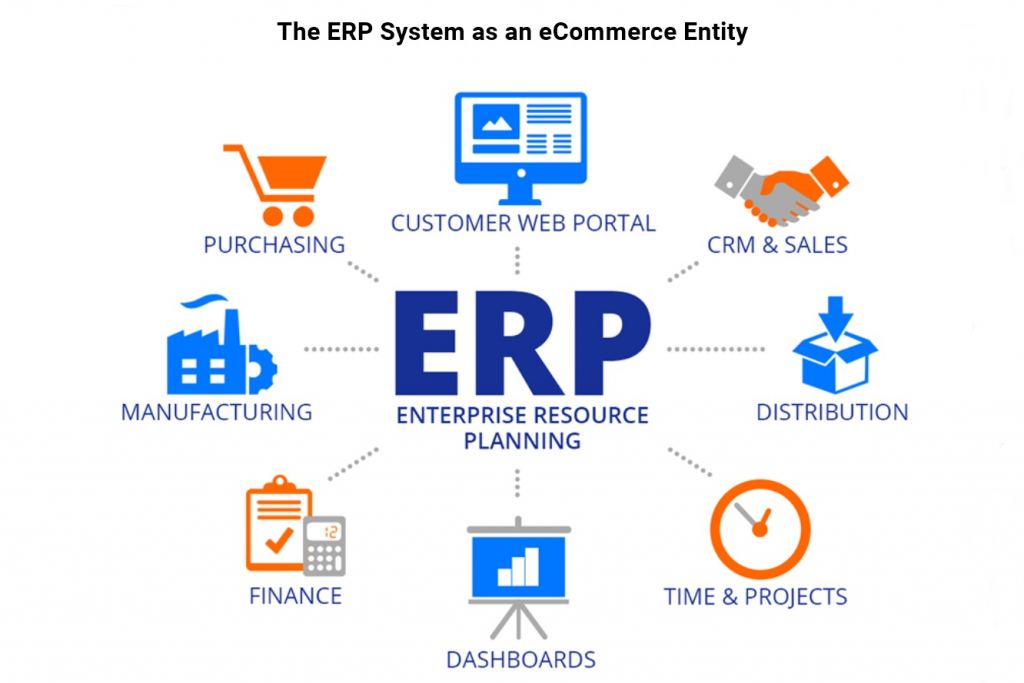
Welcome to the world of ecommerce where opportunities are endless and success is within reach. In order to stay competitive and ahead of the game, it’s essential to elevate your online business with an Ecommerce ERP System. This powerful tool combines the benefits of ecommerce and enterprise resource planning to streamline your operations, improve efficiency, and enhance customer experience. Say goodbye to manual tasks and hello to automated processes that will revolutionize the way you do business. Embrace the future of online retail with an Ecommerce ERP System and watch your business soar to new heights.
Benefits of Implementing an Ecommerce ERP System
Implementing an Ecommerce ERP system can bring numerous benefits to a business, regardless of its size or industry. One of the main advantages of utilizing this type of system is the streamlining of processes. By integrating various functions such as inventory management, order processing, and financials into a single platform, businesses can eliminate the need for disparate systems and manual data entry. This not only saves time and resources but also reduces the risk of errors that can occur when information is duplicated across different systems.
Additionally, an Ecommerce ERP system can improve visibility and transparency within a company. With real-time access to data and analytics, decision-makers can gain a better understanding of their business operations and track performance metrics more effectively. This can help in identifying areas for improvement and making informed decisions to drive growth and efficiency.
Another benefit of implementing an Ecommerce ERP system is enhanced customer experience. By centralizing customer information and interactions, businesses can provide personalized services and tailored recommendations to their customers. This can lead to increased customer satisfaction and loyalty, as well as improved retention rates and higher sales.
Furthermore, an Ecommerce ERP system can help businesses adapt to changing market conditions and customer demands. With built-in scalability and flexibility, businesses can easily adjust their operations and processes to meet evolving needs without significant investments in new technologies or resources. This can give businesses a competitive edge in the market and position them for long-term success.
In conclusion, the benefits of implementing an Ecommerce ERP system are numerous and can have a significant impact on a business’s operations, efficiency, and bottom line. By streamlining processes, improving visibility, enhancing customer experience, and enabling flexibility, businesses can position themselves for growth and success in an increasingly competitive market.
Choosing the Right Ecommerce ERP System for Your Business
When it comes to choosing the right Ecommerce ERP system for your business, there are several factors to consider. One of the most important things to think about is the size and complexity of your business. If you are a small business with simple operations, you may not need a highly complex ERP system with all the bells and whistles. On the other hand, if you are a larger business with multiple sales channels and a complex supply chain, you will need a more robust ERP system that can handle all of your needs.
Another factor to consider is the scalability of the ERP system. As your business grows, you will need a system that can grow with you. Make sure to choose a system that can easily accommodate any future growth and expansion that your business may experience. This will save you time and money in the long run, as you won’t have to switch to a new system every time your business outgrows the current one.
It’s also important to consider the integration capabilities of the ERP system. Your Ecommerce ERP system should be able to seamlessly integrate with all of your other business systems, such as your CRM, accounting software, and inventory management system. This will allow for a more streamlined and efficient operation, as all of your systems will be able to communicate with each other and share information in real-time.
When choosing an Ecommerce ERP system, it’s also crucial to consider the level of support and training that the vendor provides. Be sure to choose a vendor that offers comprehensive training and ongoing support for your system. This will ensure that you and your team are able to fully utilize all of the features and functionalities of the system, leading to a more successful implementation and higher ROI.
In conclusion, choosing the right Ecommerce ERP system for your business is a crucial decision that can have a major impact on your operations and overall success. By considering factors such as the size and complexity of your business, scalability, integration capabilities, and vendor support, you can ensure that you choose a system that meets all of your needs and sets your business up for growth and success in the future.
Integration of Ecommerce Platform with ERP System
When it comes to integrating an Ecommerce platform with an ERP system, it is essential to understand the benefits and challenges involved in this process. This integration allows for streamlined operations, improved data accuracy, and enhanced customer experience. Let’s dive deeper into how this integration works and why it is crucial for your business.
First and foremost, integrating your Ecommerce platform with an ERP system enables real-time synchronization of data between the two systems. This means that any changes made in one system are automatically reflected in the other, eliminating the need for manual input and reducing the risk of errors. For example, when a customer places an order on your Ecommerce website, the order details are seamlessly transferred to the ERP system for processing, inventory management, and fulfillment.
Furthermore, integrating these two systems allows for a centralized view of all business operations. This means that you can have a holistic view of your sales, inventory, customer data, and financial information in one place. With this centralized approach, you can make more informed decisions, identify trends, and optimize your business processes more effectively.
Another significant advantage of integrating your Ecommerce platform with an ERP system is the automation of repetitive tasks. By automating processes such as order processing, inventory updates, and invoicing, you can save time and resources while reducing the likelihood of errors. This automation not only improves operational efficiency but also frees up your team to focus on more strategic tasks that drive growth and innovation.
Moreover, integrating your Ecommerce platform with an ERP system can enhance the overall customer experience. With real-time access to accurate inventory levels, order status updates, and personalized customer data, you can provide a more seamless and personalized shopping experience for your customers. This leads to increased customer satisfaction, loyalty, and ultimately, higher sales and revenue for your business.
However, it is essential to note that integrating an Ecommerce platform with an ERP system is not without its challenges. One common challenge is the complexity of the integration process, as it requires a deep understanding of both systems and their specific requirements. Additionally, ensuring data security and compliance with regulations such as GDPR can pose significant challenges for businesses.
In conclusion, integrating your Ecommerce platform with an ERP system offers numerous benefits for your business, from improved operational efficiency and data accuracy to enhanced customer experience and increased sales. While there are challenges to overcome, the long-term advantages of this integration far outweigh the initial difficulties. By investing in a seamless integration process, you can position your business for success in the competitive Ecommerce landscape.
Enhancing Customer Experience through Ecommerce ERP
Customer experience is crucial for the success of any ecommerce business. With the growing competition in the online market, it is important for businesses to differentiate themselves by providing exceptional customer experience. Ecommerce ERP systems play a significant role in enhancing the overall customer experience by streamlining processes, improving efficiency, and increasing customer satisfaction.
One way ecommerce ERP systems enhance customer experience is by providing a seamless shopping experience. With integrated tools for inventory management, order processing, and customer relationship management, businesses can ensure that customers have a smooth and hassle-free shopping experience. This reduces the likelihood of errors in order fulfillment and helps in building trust and loyalty among customers.
Another way ecommerce ERP systems improve customer experience is by enabling personalized shopping experiences. By using customer data and analytics, businesses can customize their marketing strategies, product recommendations, and promotions to cater to the individual preferences of customers. This personalization not only enhances the shopping experience but also increases the likelihood of repeat purchases and customer retention.
Furthermore, ecommerce ERP systems facilitate multi-channel selling, allowing businesses to reach customers through various online platforms such as websites, mobile apps, and social media. This omnichannel approach provides customers with more options to interact with the business and makes it easier for them to make purchases, leading to an improved overall shopping experience.
Moreover, ecommerce ERP systems help in improving customer service by providing real-time information and communication channels. With integrated customer support tools and automated notifications, businesses can address customer inquiries and issues promptly, leading to higher customer satisfaction levels. This quick and efficient customer service enhances the overall shopping experience and encourages customers to return for future purchases.
In conclusion, ecommerce ERP systems play a crucial role in enhancing customer experience through streamlined processes, personalized marketing, multi-channel selling, and improved customer service. By investing in an ecommerce ERP system, businesses can improve efficiency, increase customer satisfaction, and ultimately drive sales and revenue. It is essential for businesses to prioritize customer experience in order to stay competitive in the ever-evolving ecommerce landscape.
Real-time Data and Analytics in Ecommerce ERP Systems
One of the key advantages of using an Ecommerce ERP system is the ability to access real-time data and analytics. This means that businesses can make informed decisions based on up-to-date information, rather than relying on outdated or incomplete data. By having access to real-time data, businesses can track sales, inventory levels, and customer behavior in real-time, allowing them to respond quickly to changes in the market.
Real-time data and analytics also allow businesses to monitor key performance indicators (KPIs) in real-time. This means that businesses can track metrics such as sales conversion rates, average order value, and customer lifetime value as they happen, rather than waiting for a monthly or quarterly report. By monitoring KPIs in real-time, businesses can identify trends and patterns more quickly, allowing them to make adjustments to their marketing strategies or product offerings as needed.
Another advantage of real-time data and analytics in Ecommerce ERP systems is the ability to personalize the shopping experience for customers. By analyzing real-time data on customer behavior, businesses can create personalized product recommendations, targeted marketing campaigns, and customized promotions. This can help businesses increase customer satisfaction and loyalty, leading to higher sales and profits.
Real-time data and analytics also play a crucial role in inventory management within Ecommerce ERP systems. By tracking inventory levels in real-time, businesses can prevent stockouts, reduce excess inventory, and optimize supply chain management. This not only helps businesses save money on storage costs but also ensures that they can fulfill customer orders quickly and efficiently.
In conclusion, real-time data and analytics are essential components of Ecommerce ERP systems. By providing businesses with up-to-date information on sales, inventory, customer behavior, and key performance indicators, real-time data and analytics enable businesses to make better decisions, personalize the shopping experience for customers, and optimize inventory management. Ultimately, businesses that leverage real-time data and analytics in their Ecommerce ERP systems are better positioned to succeed in today’s competitive online marketplace.