Welcome, savvy entrepreneurs! Are you looking to streamline your online business operations and maximize efficiency? Look no further than implementing an E-Commerce ERP system. This integrated software solution can revolutionize the way you manage your online store by centralizing data, automating processes, and providing real-time insights. Say goodbye to manual data entry and hello to increased productivity and profitability. Read on to discover the many benefits of incorporating an E-Commerce ERP system into your business strategy.
Integration of E Commerce and ERP Systems
Integration of E-commerce and ERP systems involves the connection and synchronization of two essential components of a business’s operations – the online sales platform and the internal management system. By integrating these two systems, companies can streamline their processes, improve efficiency, and provide a seamless experience for customers.
One of the main benefits of integrating E-commerce and ERP systems is the ability to centralize data. With both systems connected, all information related to sales, inventory, customer data, and financials can be accessed from a single, unified platform. This not only eliminates the need for manual data entry and reconciliation but also ensures that all departments have real-time access to the most up-to-date information.
Another advantage of integration is the automation of processes. By connecting E-commerce and ERP systems, companies can automate tasks such as order processing, inventory management, and fulfillment. This not only saves time and reduces the risk of errors but also allows businesses to scale their operations more efficiently.
Integration also allows for better visibility and reporting. With E-commerce and ERP systems connected, companies can generate comprehensive reports that provide insights into key metrics such as sales performance, inventory levels, and customer behavior. This data can then be used to make informed decisions and drive business growth.
Furthermore, integration enables a seamless customer experience. When E-commerce and ERP systems are connected, customers can enjoy features such as real-time order tracking, personalized recommendations based on past purchases, and easy returns and exchanges. This not only improves customer satisfaction but also fosters loyalty and repeat business.
Lastly, integration of E-commerce and ERP systems can lead to cost savings. By automating processes, centralizing data, and improving efficiency, businesses can reduce operational costs and improve their bottom line. Additionally, by providing a better customer experience, companies can increase sales and revenue.
In conclusion, the integration of E-commerce and ERP systems is essential for businesses looking to streamline their operations, improve efficiency, and provide a seamless experience for customers. By centralizing data, automating processes, improving visibility and reporting, enhancing the customer experience, and reducing costs, companies can gain a competitive edge in today’s digital economy.
Benefits of Using an E Commerce ERP System
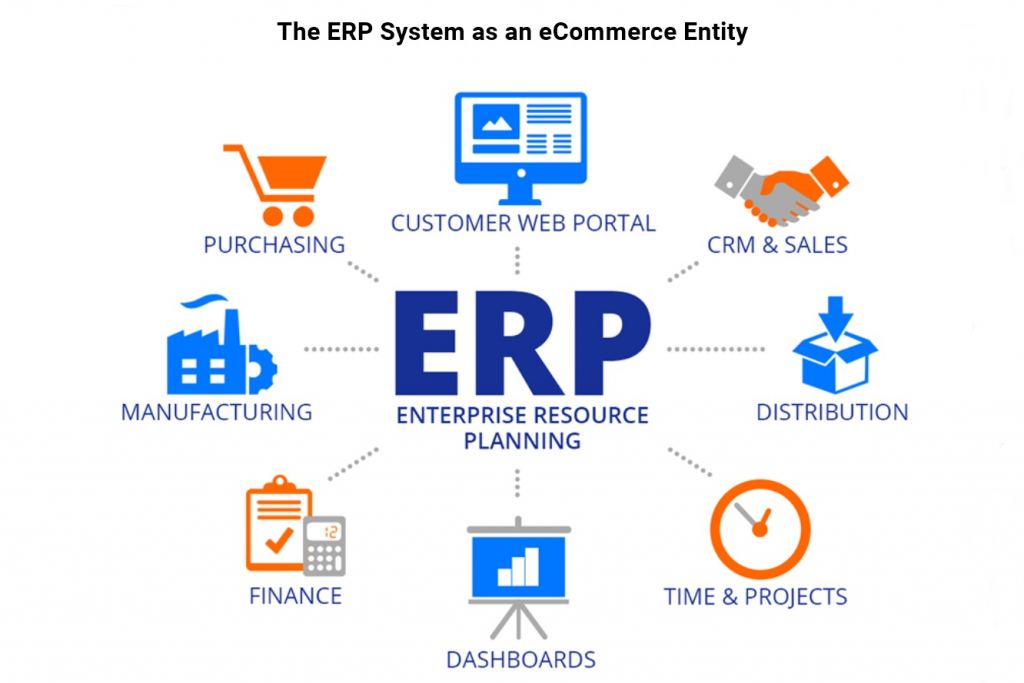
When it comes to running a successful e-commerce business, having an Enterprise Resource Planning (ERP) system in place can make all the difference. An ERP system is a comprehensive software solution that integrates all aspects of your business, from inventory management to customer relationship management, into one central system. Here are some key benefits of using an E-commerce ERP system:
1. Streamlined Operations: One of the biggest advantages of using an E-commerce ERP system is the ability to streamline your operations. With all of your business processes integrated into one system, you can eliminate the need for manual data entry and reduce the risk of errors. This can help improve efficiency and productivity across your organization, allowing you to focus on growing your business rather than managing day-to-day tasks.
2. Improved Customer Service: Another significant benefit of using an E-commerce ERP system is the ability to provide better customer service. By having all customer data and order information in one central system, you can easily track orders, respond to customer inquiries, and provide personalized service. This can help you build stronger relationships with your customers and increase customer loyalty, leading to repeat business and higher sales.
3. Real-Time Data Insights: E-commerce ERP systems provide real-time data insights that can help you make more informed business decisions. By having access to up-to-date information on inventory levels, sales performance, and customer behavior, you can identify trends, anticipate demand, and adjust your strategies accordingly. This can help you stay ahead of the competition and adapt to changing market conditions more effectively.
4. Scalability: As your e-commerce business grows, you need a system that can grow with you. E-commerce ERP systems are designed to be scalable, allowing you to add new users, expand your product offerings, and enter new markets without having to invest in a completely new system. This flexibility can help you adapt to changing business needs and support your growth over time.
5. Cost Savings: Implementing an E-commerce ERP system can also lead to cost savings for your business. By reducing manual processes, eliminating duplicate data entry, and improving operational efficiency, you can lower your overhead costs and increase your bottom line. Additionally, the insights provided by the system can help you identify areas where you can optimize your operations and cut unnecessary expenses.
In conclusion, using an E-commerce ERP system can bring a range of benefits to your business, from streamlining operations and improving customer service to providing real-time data insights and supporting scalability. By investing in the right ERP solution, you can position your e-commerce business for long-term success and growth in today’s competitive marketplace.
Key Features of an E Commerce ERP System
When it comes to running a successful E Commerce business, having the right ERP system in place is crucial. An E Commerce ERP system not only helps to streamline operations but also improves efficiency and customer satisfaction. Here are some key features of an E Commerce ERP system that you should look out for:
1. Inventory Management: One of the most important features of an E Commerce ERP system is its ability to manage inventory effectively. With real-time tracking of inventory levels, businesses can ensure that they never run out of stock or oversell products. This feature also helps in predicting demand and optimizing inventory levels to reduce costs and improve customer satisfaction.
2. Order Management: Another essential feature of an E Commerce ERP system is order management. This includes tracking orders from placement to fulfillment, managing returns and exchanges, and providing real-time updates to customers. With order management functionality, businesses can reduce processing times, improve accuracy, and enhance the overall customer experience.
3. Customer Relationship Management (CRM): A good E Commerce ERP system should also have robust CRM capabilities. This includes storing customer information, tracking interactions, and analyzing purchase history to provide personalized recommendations and targeted marketing campaigns. CRM functionality helps businesses to build stronger relationships with customers, increase repeat purchases, and drive loyalty.
4. Integration with E Commerce Platforms: To fully leverage the benefits of an ERP system, it should be able to integrate seamlessly with your E Commerce platform. This integration allows for automatic syncing of data between systems, reducing the need for manual data entry and ensuring consistency across platforms. With integration capabilities, businesses can streamline operations, improve data accuracy, and provide a unified shopping experience for customers.
5. Reporting and Analytics: An effective E Commerce ERP system should also offer robust reporting and analytics capabilities. This includes generating detailed reports on sales performance, inventory levels, customer behavior, and more. By analyzing this data, businesses can gain valuable insights into their operations, identify trends, and make informed decisions to drive growth and profitability.
Implementation of E Commerce ERP System
Implementing an E Commerce ERP system can be a complex process that requires careful planning and coordination. The first step is to evaluate your current business processes and identify areas where an ERP system can help streamline operations. This could include inventory management, order processing, customer relationship management, and financial reporting.
Once you have identified the areas where an ERP system can add value, the next step is to choose the right ERP solution for your business. There are many different ERP systems available on the market, each with its own set of features and capabilities. It’s important to choose a system that is scalable, flexible, and integrates seamlessly with your existing IT infrastructure.
After selecting an ERP system, the next step is to develop a detailed implementation plan. This plan should outline the steps that need to be taken to successfully deploy the ERP system, including setting up the software, migrating data, training employees, and testing the system for bugs and errors.
One of the most critical aspects of implementing an E Commerce ERP system is data migration. Moving data from your old system to the new ERP system can be a challenging and time-consuming process. It’s important to carefully plan the data migration process to minimize disruption to your business operations.
Another key component of implementing an ERP system is training your employees on how to use the new software. This could involve providing hands-on training sessions, online tutorials, or hiring external consultants to train your staff. Investing in training can help ensure that your employees are able to effectively use the ERP system to improve efficiency and productivity.
Finally, once the ERP system is up and running, it’s important to regularly review and evaluate its performance. This could involve running regular reports to track key metrics, soliciting feedback from employees, and making any necessary adjustments to the system to ensure it continues to meet your business needs.
Challenges and Solutions in E Commerce ERP System Integration
When it comes to integrating an E Commerce ERP system, businesses often face a number of challenges that can hinder the smooth operation of their online store. One of the main challenges is compatibility issues between the E Commerce platform and the ERP system. This can result in data discrepancies, delays in information flow, and even system crashes. To overcome this challenge, businesses can opt for ERP systems that offer pre-built connectors or APIs that seamlessly integrate with popular E Commerce platforms like Shopify, Magento, or WooCommerce.
Another common challenge is the complexity of data migration. Migrating data from an existing E Commerce platform to a new ERP system can be a daunting task, especially when dealing with large volumes of data. To tackle this challenge, businesses can consider breaking down the migration process into smaller, manageable chunks and testing the data migration in a staging environment before going live.
Furthermore, integrating an E Commerce ERP system often requires significant customization to meet the unique needs of a business. This customization can be time-consuming and costly, especially if businesses are working with a tightly integrated legacy system. To address this challenge, businesses can opt for ERP systems that offer flexible customization options and support for third-party integrations.
Security is another major challenge in E Commerce ERP system integration. With the increasing number of cyber threats and data breaches, businesses need to ensure that their E Commerce platform and ERP system are secure and compliant with industry regulations. To mitigate security risks, businesses can implement robust security measures such as encryption, multi-factor authentication, and regular security audits.
Lastly, one of the biggest challenges in E Commerce ERP system integration is managing the change within the organization. Implementing a new ERP system can disrupt existing processes and workflows, leading to resistance from employees. To overcome this challenge, businesses can involve employees in the integration process, provide training and support, and communicate the benefits of the new system to gain buy-in from all stakeholders.
In conclusion, while the challenges of E Commerce ERP system integration can be daunting, businesses can overcome them by choosing the right ERP system, breaking down data migration tasks, investing in customization, enhancing security measures, and managing organizational change effectively.