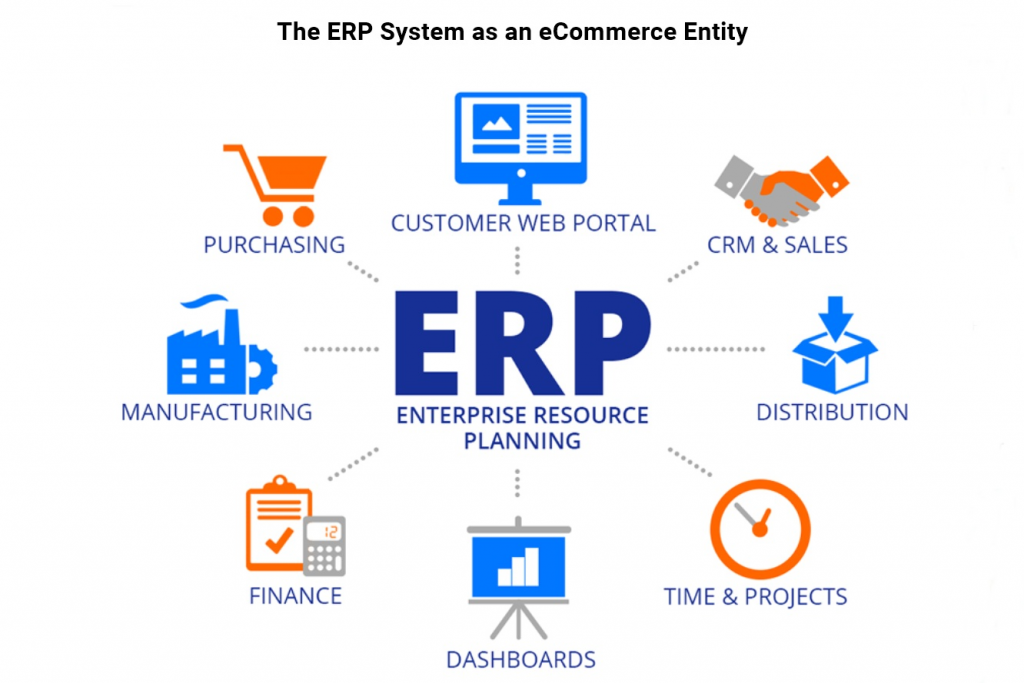
Welcome, tech-savvy readers! Today, we are diving into the fascinating world of e-commerce and ERP systems integration. As businesses continue to evolve in the digital age, the seamless operation between e-commerce platforms and ERP systems has become crucial for success. This integration not only streamlines operations but also provides valuable insights for decision-making. Let’s explore how these two essential components work together to enhance business efficiency and drive growth.
Integration of ERP with E-commerce Platforms
When it comes to running a successful online business, integrating your ERP system with your e-commerce platform is crucial. By combining these two powerful tools, you can streamline your business processes, improve efficiency, and enhance the overall customer experience.
One of the main benefits of integrating ERP with e-commerce platforms is the ability to provide real-time inventory updates. This means that when a customer makes a purchase on your website, the inventory levels in your ERP system are automatically updated. This eliminates the risk of overselling products and ensures that your customers always have access to accurate product information.
Another key advantage of integrating ERP with e-commerce platforms is the ability to automate the order fulfillment process. By linking your ERP system to your online store, you can automatically generate invoices, packing slips, and shipping labels, saving time and reducing the risk of errors. This automation allows you to fulfill orders more quickly and efficiently, leading to improved customer satisfaction and repeat business.
Furthermore, integrating ERP with e-commerce platforms can help you gain valuable insights into your business operations. By consolidating all of your data in one centralized system, you can easily track key performance indicators, monitor sales trends, and analyze customer behavior. This data-driven approach allows you to make more informed decisions and identify opportunities for growth and improvement.
Additionally, integrating ERP with e-commerce platforms can improve communication and collaboration across your organization. By connecting your sales, inventory, and finance departments, you can ensure that everyone is working from the same set of data. This alignment leads to increased transparency, reduced duplication of effort, and smoother business processes.
Overall, integrating ERP with e-commerce platforms offers numerous benefits for online businesses. From real-time inventory updates to automated order fulfillment and improved data analysis, this integration can help you streamline your operations, save time and money, and ultimately enhance the customer experience. By harnessing the power of these two technologies, you can take your online business to the next level and stay ahead of the competition.
Streamlining Inventory Management in E-commerce through ERP
Inventory management is a crucial aspect of running an e-commerce business. Keeping track of stock levels, forecasting demand, and ensuring timely restocking are all essential for a successful online retail operation. This is where Enterprise Resource Planning (ERP) systems come into play, providing e-commerce businesses with the tools they need to streamline their inventory management processes.
By integrating ERP software into their e-commerce platforms, businesses can have a centralized system that provides real-time visibility into their inventory levels. This means that they can keep track of stock levels across all sales channels, warehouses, and locations, ensuring that they never run out of stock or oversell a product. This real-time visibility also allows businesses to make more informed decisions about purchasing and restocking, helping them to optimize their inventory levels and reduce carrying costs.
Another key benefit of using ERP systems for inventory management in e-commerce is the automation of routine tasks. ERP software can automate processes such as order processing, reordering, and fulfillment, saving businesses time and reducing the risk of human error. By automating these tasks, businesses can streamline their operations and free up their employees to focus on more strategic activities, such as marketing and customer service.
Furthermore, ERP systems can help e-commerce businesses with demand forecasting, using historical sales data and analytics to predict future demand for products. By accurately forecasting demand, businesses can ensure that they have the right amount of inventory on hand to fulfill orders, reducing the risk of stockouts and lost sales. This can also help businesses to better manage their cash flow by preventing excess inventory buildup.
In addition to streamlining inventory management processes, ERP systems can also improve the overall efficiency and productivity of e-commerce businesses. By providing a unified platform for managing all aspects of their operations, including inventory, sales, purchasing, and financials, ERP software can help businesses to eliminate data silos and improve communication and collaboration across departments. This integration can lead to better decision-making and greater visibility into the overall health of the business.
In conclusion, ERP systems play a crucial role in streamlining inventory management in e-commerce businesses. By providing real-time visibility into inventory levels, automating routine tasks, and helping with demand forecasting, ERP software can help businesses to optimize their inventory levels, reduce costs, and improve overall efficiency. Integrating an ERP system into an e-commerce platform can bring a host of benefits, ultimately helping businesses to succeed in the competitive online retail landscape.
Maximizing Customer Relationship Management with ERP in E-commerce
Customer relationship management (CRM) plays a vital role in the success of any e-commerce business. It focuses on building and maintaining strong relationships with customers to increase customer loyalty and retention. When integrated with an Enterprise Resource Planning (ERP) system, CRM capabilities can be enhanced to provide a more personalized and efficient customer experience.
One of the key ways that ERP can help maximize customer relationship management in e-commerce is through centralized data management. With an ERP system, all customer data is stored in a single database, making it easy to access and analyze. This allows businesses to track customer interactions, preferences, and buying habits in real-time, enabling them to tailor their marketing strategies and offers to specific customer segments.
Additionally, ERP systems can automate various customer touchpoints, such as order processing, shipping, and returns. By streamlining these processes, businesses can improve efficiency and reduce the potential for errors, ultimately leading to a better customer experience. For example, an ERP system can automatically send out order confirmation emails, update customers on the status of their shipments, and process returns and refunds in a timely manner.
Moreover, ERP systems can provide valuable insights into customer behavior and trends through advanced analytics and reporting features. By analyzing data such as purchasing patterns, website interactions, and feedback, businesses can gain a deeper understanding of their customers’ needs and preferences. This information can then be used to develop targeted marketing campaigns, improve product offerings, and enhance the overall customer experience.
Another benefit of integrating CRM with ERP in e-commerce is the ability to offer personalized customer service. With a centralized database of customer information, businesses can provide tailored recommendations, promotions, and support to individual customers based on their past purchases and interactions. This level of personalization can help build stronger relationships with customers and foster loyalty over time.
In conclusion, integrating CRM with ERP in e-commerce can have numerous benefits for businesses looking to maximize their customer relationship management efforts. From centralized data management and process automation to advanced analytics and personalized customer service, ERP systems can help businesses build stronger relationships with their customers and improve overall satisfaction. By utilizing the capabilities of ERP, e-commerce businesses can stay ahead of the competition and create a loyal customer base that drives long-term success.
Enhancing Order Fulfillment Processes with ERP in E-commerce
Order fulfillment is a crucial aspect of e-commerce businesses, as it directly impacts customer satisfaction and retention. With the integration of Enterprise Resource Planning (ERP) systems, e-commerce companies can streamline and improve their order fulfillment processes.
ERP systems offer a centralized platform that connects various departments within a company, including sales, inventory management, and shipping. This interconnected system enables real-time visibility into inventory levels, order statuses, and customer information, allowing for better decision-making and coordination across the organization.
By utilizing ERP software in e-commerce, businesses can automate and optimize their order fulfillment processes. For example, when a customer places an order online, the ERP system can automatically update inventory levels, generate packing lists, and track the progress of the order from processing to shipping.
Additionally, ERP systems can help e-commerce businesses manage their supply chain more effectively. By integrating with suppliers and logistics partners, companies can track incoming shipments, monitor supplier performance, and ensure timely delivery of products to customers. This level of visibility and control over the entire supply chain can minimize fulfillment errors and delays, ultimately improving customer satisfaction.
Moreover, ERP systems can provide valuable data and analytics that e-commerce businesses can use to optimize their order fulfillment processes. By analyzing order patterns, inventory turnover rates, and shipping costs, companies can identify areas for improvement and make data-driven decisions to enhance efficiency and reduce costs.
In conclusion, integrating ERP systems with e-commerce platforms can greatly enhance order fulfillment processes. From automation and optimization to better supply chain management and data analytics, ERP software offers a wide range of benefits that can help businesses improve customer satisfaction, increase operational efficiency, and drive growth in the competitive e-commerce landscape.
Leveraging Data Analytics for Marketing Strategies in E-commerce with ERP
As technology continues to evolve, e-commerce businesses are presented with a wealth of data that can be used to optimize their marketing strategies. By leveraging data analytics in conjunction with Enterprise Resource Planning (ERP) systems, companies can gain valuable insights into customer behavior, preferences, and trends. This data can then be used to develop targeted marketing campaigns that are more likely to resonate with their target audience.
One of the key benefits of using data analytics in e-commerce is the ability to track and measure the effectiveness of marketing campaigns in real-time. ERP systems can help companies to collect and analyze data from various sources, such as website traffic, social media engagement, and sales figures. This data can then be used to identify patterns and trends, allowing businesses to make informed decisions about their marketing strategies.
For example, data analytics can help e-commerce businesses to understand which products are most popular among their customers, which marketing channels are driving the most traffic to their website, and which promotions are generating the highest conversion rates. This information can then be used to tailor marketing messages to specific customer segments, increasing the likelihood of a successful sale.
Furthermore, data analytics can also help e-commerce businesses to personalize the customer experience. By analyzing data on customer preferences and behavior, companies can create targeted marketing campaigns that speak directly to the individual needs and desires of their customers. For example, a clothing retailer could use data analytics to send personalized recommendations to customers based on their past purchases and browsing history.
In addition to improving marketing strategies, data analytics can also help e-commerce businesses to optimize their operations. By identifying inefficiencies in the supply chain or bottlenecks in the order fulfillment process, companies can make data-driven decisions to improve their overall performance. This can lead to cost savings, increased productivity, and ultimately, a better customer experience.
In conclusion, by leveraging data analytics in conjunction with ERP systems, e-commerce businesses can gain valuable insights into customer behavior, preferences, and trends. This data can then be used to develop targeted marketing campaigns that are more likely to resonate with their target audience. Additionally, data analytics can help businesses to optimize their operations and improve overall performance. Overall, data analytics is a powerful tool that can help e-commerce businesses stay ahead of the competition in today’s rapidly evolving digital landscape.