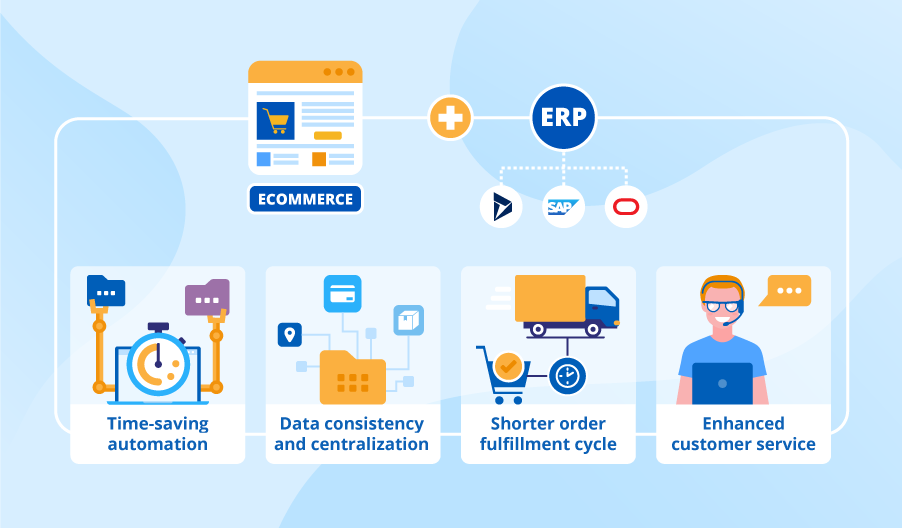
Welcome, fellow construction business owners! Are you tired of dealing with the inefficiencies and headaches that come with managing your building materials? Look no further than Building Materials ERP Software to streamline your operations and boost your bottom line. This innovative software solution is designed to optimize every aspect of your construction business, from inventory management to project planning. Say goodbye to manual processes and hello to increased productivity and profitability. Let’s explore how this game-changing technology can transform your business for the better.
Streamlining Inventory Management
Managing inventory in a building materials business can be a complex process with various products, suppliers, and warehouse locations to keep track of. A robust ERP software system can help streamline this process by providing real-time visibility into inventory levels, supplier information, and order status.
One key feature of ERP software for inventory management is the ability to track products from the moment they are received in the warehouse to the moment they are shipped to customers. This real-time tracking can help businesses avoid stockouts and overstock situations, as well as improve overall efficiency by knowing exactly what items are in stock at any given time.
Another important aspect of inventory management in ERP software is the ability to set automatic reorder points for products. This feature allows businesses to avoid stockouts by automatically replenishing inventory levels when they fall below a certain threshold. By setting specific reorder points for each product, businesses can ensure that they always have the right amount of stock on hand to fulfill customer orders.
ERP software can also help businesses optimize their inventory levels by providing detailed reports and analytics on product demand, lead times, and supplier performance. By analyzing this data, businesses can make informed decisions about which products to stock, how much to order, and when to reorder. This can help reduce carrying costs, minimize waste, and improve overall profitability.
In addition to tracking inventory levels and optimizing orders, ERP software can also help businesses manage their warehouse operations more efficiently. Features such as barcode scanning, automated picking and packing, and real-time inventory updates can all help streamline the picking, packing, and shipping processes. This can lead to faster order fulfillment, fewer shipping errors, and improved customer satisfaction.
Overall, using ERP software for inventory management can help building materials businesses improve their operational efficiency, reduce costs, and provide better customer service. By implementing a robust ERP system with advanced inventory management capabilities, businesses can stay competitive in the industry and meet the demands of today’s fast-paced market.
Optimizing Supply Chain Logistics
Supply chain logistics play a crucial role in the success of any business, especially in the building materials industry. With the help of ERP software, companies can streamline their supply chain processes and optimize logistics to ensure efficient operations and reduced costs.
One of the main ways ERP software helps in optimizing supply chain logistics is by providing real-time visibility of inventory levels. This allows companies to track the movement of materials from suppliers to warehouses to customers. By having a clear understanding of inventory levels, businesses can prevent stockouts, reduce excess inventory, and improve order fulfillment rates.
Furthermore, ERP software can help companies in the building materials industry to forecast demand accurately. By analyzing historical sales data and market trends, businesses can predict future demand and plan their procurement and production schedules accordingly. This not only helps in reducing excess inventory but also ensures that materials are available when needed, thus avoiding costly delays in construction projects.
In addition, ERP software enables companies to collaborate effectively with suppliers and partners. By integrating supply chain processes with external stakeholders, businesses can improve communication, streamline procurement, and manage vendor relationships more efficiently. This can lead to better pricing agreements, improved lead times, and overall cost savings.
Moreover, ERP software provides tools for optimizing transportation logistics. By automating route planning, load optimization, and delivery scheduling, companies can reduce transportation costs, improve delivery times, and enhance customer satisfaction. This is especially important in the building materials industry, where timely delivery is crucial for ensuring on-time project completion.
Another benefit of ERP software in optimizing supply chain logistics is the ability to track and analyze key performance indicators (KPIs). By monitoring metrics such as on-time delivery rates, inventory turnover, and transportation costs, businesses can identify areas for improvement and make data-driven decisions to enhance overall supply chain efficiency.
Overall, ERP software plays a vital role in optimizing supply chain logistics for companies in the building materials industry. By providing real-time visibility, accurate demand forecasting, collaboration tools, transportation optimization, and KPI tracking, ERP systems enable businesses to streamline their operations, reduce costs, and improve customer satisfaction. With the help of ERP software, companies can stay competitive in the ever-evolving construction market and achieve sustainable growth in the long run.
Enhancing Customer Relationship Management
Customer Relationship Management (CRM) is a vital aspect of any business, including those in the building materials industry. Building Materials ERP software plays a crucial role in enhancing CRM by providing companies with the tools they need to effectively manage their customer relationships. By centralizing customer data and streamlining communication channels, ERP software can help businesses build stronger connections with their clients and improve overall customer satisfaction.
One way in which ERP software enhances CRM is by providing a comprehensive view of customer interactions. With all customer data stored in one centralized system, employees can easily access information about past purchases, preferences, and communications history. This allows for more personalized interactions with customers, as employees can tailor their communications and recommendations based on the individual customer’s needs and preferences.
Additionally, ERP software can automate certain aspects of customer relationship management, such as sending out automated emails or alerts based on customer behavior. For example, if a customer makes a purchase, the ERP system can automatically send a thank-you email or follow-up survey to gather feedback. This automation helps businesses stay engaged with their customers and ensures that no important interactions slip through the cracks.
Furthermore, ERP software can also help businesses track customer satisfaction and loyalty over time. By analyzing data on customer interactions, feedback, and purchase history, companies can identify trends in customer behavior and sentiment. This information can be used to improve products and services, address customer concerns, and develop targeted marketing campaigns to retain existing customers and attract new ones.
Another benefit of using ERP software for CRM is the ability to streamline communication channels. With all customer data and communications stored in one system, employees can easily collaborate and share information about customer interactions. This ensures that all team members are on the same page and can provide consistent and timely responses to customer inquiries.
In conclusion, Building Materials ERP software plays a crucial role in enhancing Customer Relationship Management in the building materials industry. By centralizing customer data, automating certain aspects of CRM, tracking customer satisfaction and loyalty, and streamlining communication channels, ERP software helps businesses build stronger connections with their clients and improve overall customer satisfaction.
Increasing Operational Efficiency
Building Materials ERP Software plays a crucial role in increasing operational efficiency for companies in the construction industry. One key way in which ERP software accomplishes this is by centralizing all data and processes into one system. This eliminates the need for manual data entry, reducing the chances of error and streamlining communication between departments. With all information stored in one place, employees can easily access real-time data, leading to better decision-making and improved workflow.
Furthermore, Building Materials ERP Software automates various tasks that were previously done manually, saving time and resources. For example, generating reports, managing inventory, and tracking project progress can all be automated with ERP software. This frees up employees to focus on more strategic tasks, leading to increased productivity and efficiency.
Another way in which ERP software boosts operational efficiency is by providing insights through data analytics. By analyzing trends and patterns in data, companies can make informed decisions about resource allocation, inventory management, and project timelines. This helps to optimize operations and improve overall performance.
Building Materials ERP Software also enhances communication and collaboration within the organization. With features such as real-time messaging and task assignment, employees can easily communicate and coordinate with each other, leading to faster decision-making and problem-solving. Additionally, ERP software allows for seamless integration with other business systems, further streamlining processes and reducing the chances of errors.
In conclusion, Building Materials ERP Software is a powerful tool for increasing operational efficiency in the construction industry. By centralizing data, automating tasks, providing insights through analytics, and enhancing communication, ERP software helps companies streamline operations, improve productivity, and make more informed decisions. Investing in ERP software can have a significant impact on a company’s bottom line and position them for success in a competitive market.
Tracking Project Costs and Budgets
When it comes to managing a construction project, tracking project costs and budgets is essential to ensure that the project stays on track financially. Building Materials Erp Software can provide valuable tools and features to help project managers effectively monitor and control costs throughout the project lifecycle.
One of the key benefits of using Building Materials Erp Software for tracking project costs and budgets is the ability to create detailed budgets for each project. This allows project managers to allocate funds for specific tasks and materials, helping to prevent overspending and keep the project within budget. By setting up budgets in the software, project managers can easily track expenses and compare them to the budgeted amounts in real-time.
In addition to creating budgets, Building Materials Erp Software also allows project managers to track costs on a granular level. This means that project managers can monitor expenses for each individual task, material, or resource used in the project. By tracking costs at this level of detail, project managers can identify areas where costs are exceeding budgeted amounts and take corrective action before it impacts the overall project budget.
Furthermore, Building Materials Erp Software can also help project managers track changes to the project scope and assess the impact on project costs. If changes are requested or required during the project, the software can quickly calculate the cost implications and update the budget accordingly. This ensures that project managers have a clear understanding of how changes will affect project costs and can make informed decisions about whether to proceed with the changes.
Another important feature of Building Materials Erp Software for tracking project costs and budgets is the ability to generate reports and analytics on project financials. Project managers can easily pull up reports that show spending trends, cost variances, and budget performance metrics. These reports can help project managers identify areas for improvement, make data-driven decisions, and communicate financial status to stakeholders.
Overall, Building Materials Erp Software is a valuable tool for tracking project costs and budgets in the construction industry. By providing detailed budgeting capabilities, granular cost tracking, change management functionality, and robust reporting features, the software can help project managers effectively manage project finances and ensure successful project outcomes.